
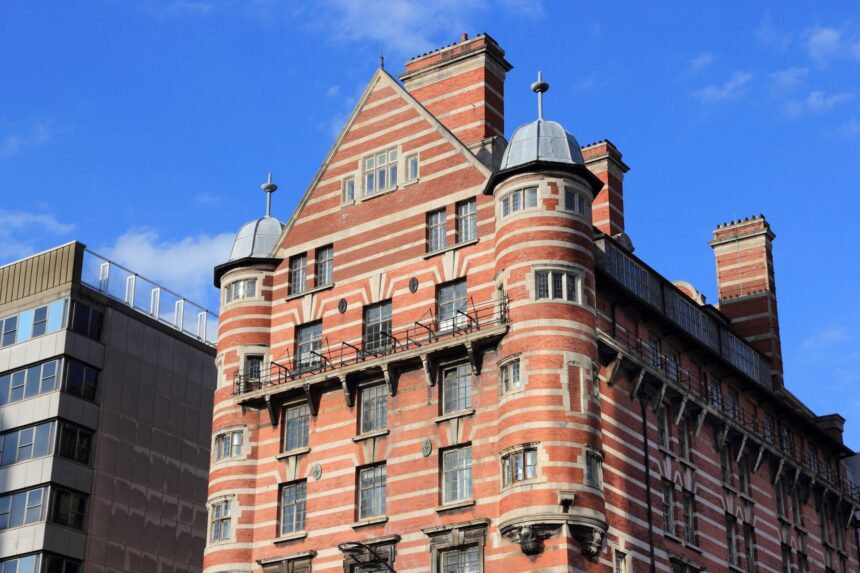
Owning a listed building comes with a particular kind of pride and a particular kind of headache. The character, the history, the craftsmanship. And then the phone call to your insurer where you find out that standard home insurance does not cover half of what you actually need. Listed building insurance exists for exactly this reason, and getting it right matters more than most people realise.
Why Standard Home Insurance Falls Short
A standard home insurance policy calculates your buildings cover based on the cost of rebuilding your property using modern materials and standard construction methods. That works fine for a 1990s semi. It does not work for a Grade II listed cottage with original stone walls, lime mortar, handmade roof tiles, and single-glazed sash windows.
Listed building insurance accounts for the actual cost of reinstating the property using like-for-like materials and traditional methods, which is what the law requires. If your building is listed, you have a legal obligation to repair or rebuild it in a way that preserves its historic character. That means heritage-trained tradespeople, reclaimed or specialist materials, and often listed building consent from the local authority before any work can begin.
The rebuild cost on a listed property can be two to three times higher than a standard property of the same size. If your policy is based on a standard rebuild figure, you are significantly underinsured.
What Grade of Listing Does Your Property Have?
In England and Wales, listed buildings fall into three categories. Grade I covers buildings of exceptional interest, roughly two per cent of all listed properties. Grade II* covers particularly important buildings. And Grade II covers the vast majority, buildings of special interest that are worth every effort to preserve.
The grade affects the level of regulation around repairs and alterations, and it directly impacts the cost of your listed building insurance. A Grade I property with original medieval stonework will cost significantly more to insure than a Grade II Victorian terrace, because the reinstatement requirements are stricter and the specialist materials are harder to source.
Does Listed Building Insurance Cover Structural Issues?
It covers insured perils like fire, flood, storm, subsidence, and impact damage. It does not typically cover general wear and tear, gradual deterioration, or maintenance issues like damp. This is a common point of confusion. If your roof tiles are failing because they are three hundred years old and have reached the end of their natural life, that is maintenance. If they blow off in a storm, that is an insured event.
Subsidence cover is particularly important for older properties. Many listed buildings have shallow foundations by modern standards, and ground movement can cause cracking that is expensive to repair using approved heritage methods.
What About Listed Buildings Used as Holiday Lets?
If your listed property is also a second home or holiday let, you need a policy that covers both the heritage requirements and the unoccupancy risks. Standard holiday home insurance will not typically account for the elevated rebuild costs of a listed building. You need a specialist policy that combines both elements.
How Do You Get the Rebuild Cost Right?
The single most important step in arranging listed building insurance is getting an accurate reinstatement valuation. This is not the same as the market value or the estate agent’s asking price. It is the cost of rebuilding the property from the ground up using materials and methods consistent with its listed status.
A specialist surveyor with heritage experience can provide this valuation. It typically costs a few hundred pounds, but it ensures your policy covers the actual reinstatement cost rather than a figure that leaves you short after a claim.
Where Do You Find the Right Cover?
Most high street insurers and comparison sites do not offer specialist listed building insurance. The ones that do often apply exclusions or limitations that are not immediately obvious. An independent broker with access to specialist markets can search for a policy that genuinely matches your property.
At Policy Path, we work with specialist insurers who understand period properties, heritage construction, and the particular risks that come with owning something built before modern building standards existed. Tell us about your property and we will find the right private client insurance from our panel. If you also have commercial insurance needs, we can look at those at the same time.
Own a Listed Building?
We will connect you with a specialist insurer who understands heritage properties. Free, no obligation.
Get a Quote or call us on 01736 753223