
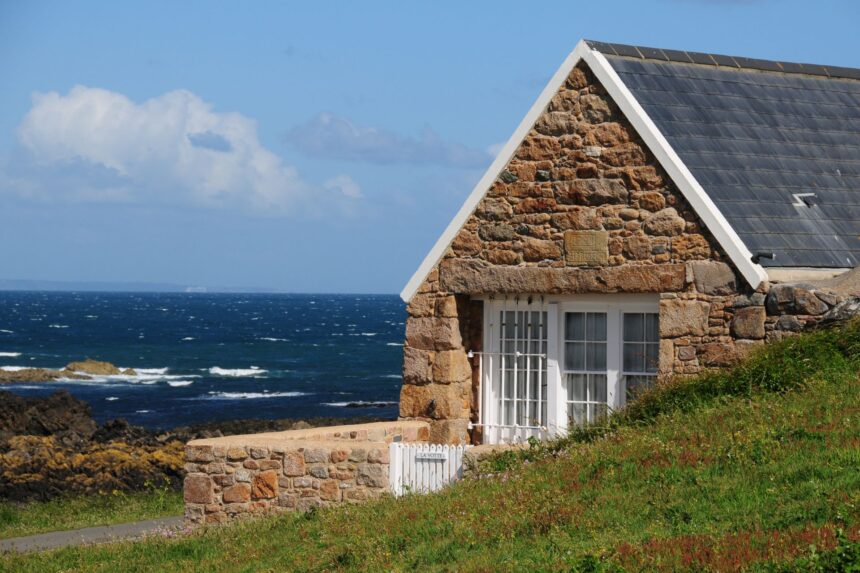
If you own a second home in the UK, your standard home insurance policy almost certainly won’t cover it properly. Second home insurance UK is a specialist commercial insurance product, and the gap between what a standard policy actually provides and what you genuinely need is wider than most second home owners realise. Understanding the difference before something goes wrong is considerably better than finding out after you’ve made a claim.
Why standard home insurance falls short
Standard home insurance is written for the property you live in full-time. The insurer assumes someone is in the property regularly, managing the heating, noticing a leak before it becomes a flood, and keeping the place in reasonable repair. That assumption doesn’t hold for a second home. You might visit often, or you might only get there a handful of times each year. The risk profile is different, and standard policies don’t account for it properly.
Many insurers will also question or refuse a standard home insurance claim if they discover the property isn’t your primary residence. Trying to extend a main home policy to cover a second property often isn’t possible, and attempting it without telling the insurer can invalidate both policies.
The unoccupancy problem
The most common issue with standard policies and second homes is the unoccupancy clause. Most standard home insurance policies restrict or exclude claims if the property is empty for more than 30 consecutive days. A second home can easily sit empty for longer than that. If a pipe bursts, a window is forced, or there’s storm damage during an extended unoccupied period, your claim may be refused on those grounds.
Specialist second home insurance is designed around properties that aren’t in constant occupation. The unoccupancy provisions reflect how second homes are actually used, rather than a primary residence assumption that simply doesn’t apply.
What does specialist second home insurance cover?
A second home insurance policy built for the purpose typically includes:
- Buildings cover protecting the structure against fire, flood, storm, escape of water, subsidence, and accidental damage.
- Contents cover protecting furniture and belongings kept at the property.
- Liability cover protecting you if a visitor is injured at the property, or if the property causes damage to a neighbouring building.
- Unoccupancy cover applying during extended periods when no one is at the property, without the restrictive time limits in standard policies.
- Escape of water cover for burst pipes and associated water damage, which is one of the most common second home claims, particularly in properties left unheated over winter.
What if you let the property out?
Some second home owners also let their property, either through short-term holiday platforms or to longer-term tenants. If you do this, your second home insurance needs to reflect it. The risk profile of a property used purely as a personal second home and one that’s also a holiday let are different, and the cover should match what’s actually happening. Failing to disclose letting activity can invalidate a claim, so it’s worth being clear with your insurer about how the property is used.
Coastal, period, and non-standard properties
Many second homes, particularly in Cornwall and along the south-west coast, are older properties. Stone construction, solid walls, timber frames, thatched roofs, or listed building status can all make a property harder to place on a standard policy. Coastal exposure adds another dimension. Flood risk, salt air, storm surge, and coastal erosion are all factors that specialist insurers understand and can price appropriately.
A comparison site will often return no results for properties with non-standard features. Working with a broker who has access to the specialist market means finding cover that actually fits the property, not a standard product written for a modern semi-detached.
Empty properties in winter
Empty properties in winter carry specific risks, and burst pipes are the most common. When the heating isn’t running consistently and temperatures drop, pipework in an empty property is vulnerable. Many specialist second home policies include conditions around minimum heating levels or periodic inspection visits during extended unoccupied periods. These conditions exist to reduce the risk of a claim, not to catch you out. The important thing is to know what your policy requires and to follow it, so that if you do need to make a claim, there’s nothing working against you.
Get Specialist Second Home Insurance That Actually Fits Your Property
If you own a second home and you’re relying on a standard home insurance policy, it’s worth taking a few minutes to review whether it’s actually up to the job before you need to make a claim. At Cotter Insurance, our holiday home insurance covers second homes and holiday properties across the UK, including coastal buildings, older properties, and those with extended periods of unoccupancy. Contact our team and we’ll make sure your cover is right for the property you’ve got.